Pool Patio Sealing in Puyallup, WA
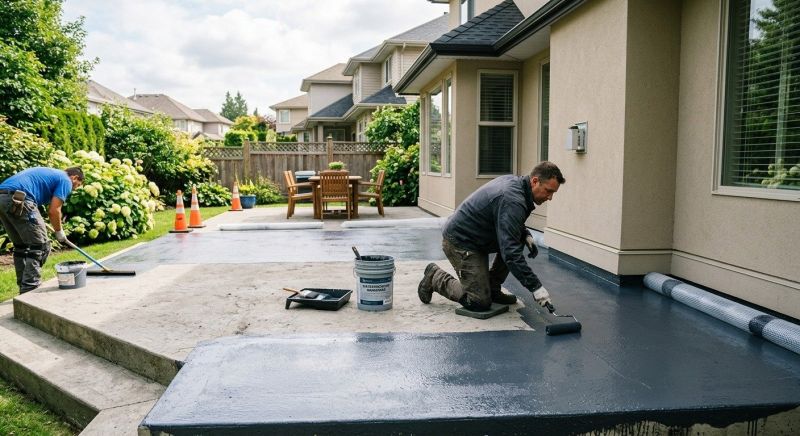
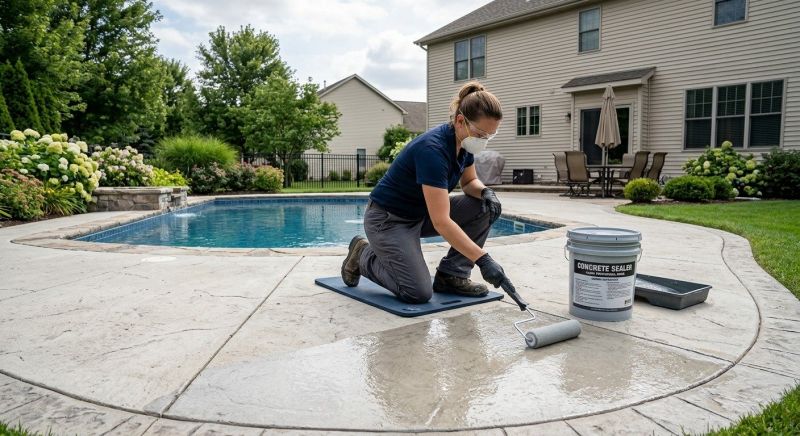
Pool patio sealing services involve applying a protective coating to the surface surrounding a swimming pool to enhance its durability and appearance. This process helps prevent damage caused by water, chemicals, and weather conditions, extending the lifespan of materials such as concrete, pavers, or stone. Projects typically include sealing pool decks, coping, and paved areas to create a water-resistant barrier that reduces staining, surface deterioration, and the need for frequent repairs.
Property owners considering pool patio sealing often want to understand the types of sealants used, the benefits of sealing, and how it can improve safety and aesthetics. It’s important to know whether the surface material is suitable for sealing and if any preparation steps are necessary beforehand. Additionally, homeowners may inquire about the expected maintenance after sealing and how often reapplication might be needed to keep the surface protected and looking its best.
Many property owners in Puyallup, WA look into Pool Patio Sealing for repairs, replacements, upgrades, and appearance-related improvements.
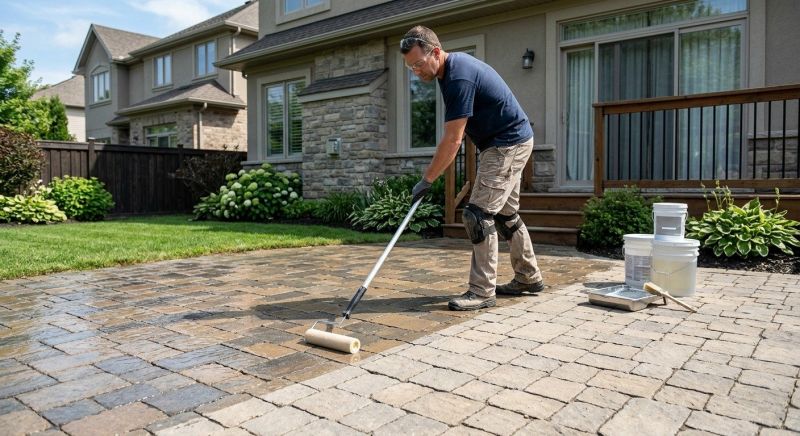
Enhancing Pool Deck Durability
Sealing helps protect pool patios from water damage and wear over time.
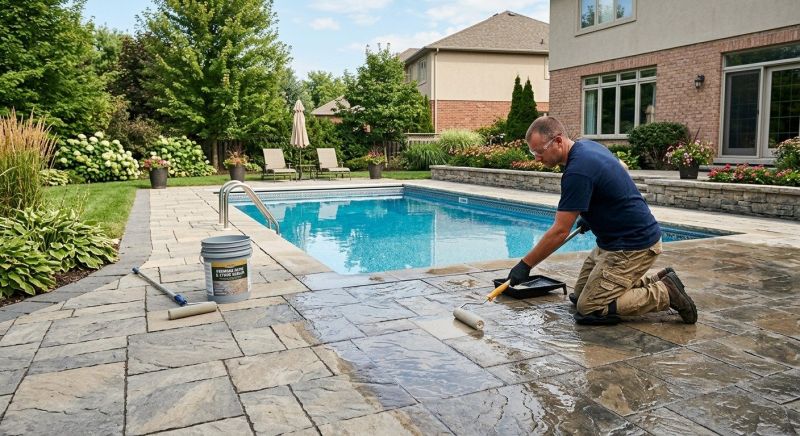
Maintaining Safe And Attractive Surfaces
Proper sealing reduces slip hazards and keeps pool areas looking clean and fresh.
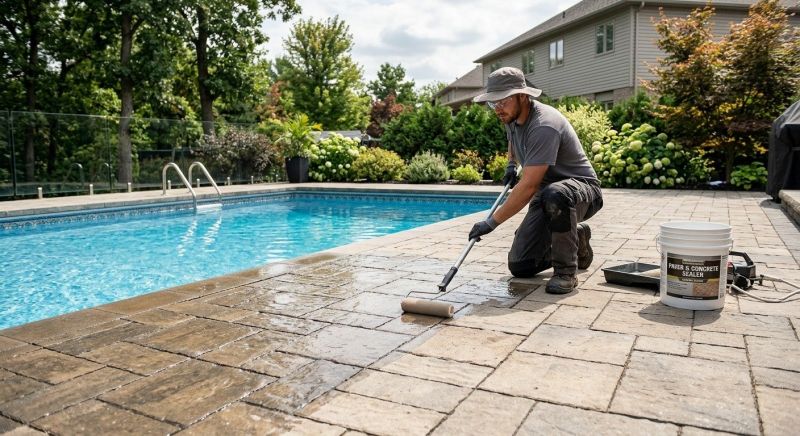
Extending The Life Of Your Pool Area
Regular sealing can prevent cracks and deterioration, preserving the value of your outdoor space in puyallup.
Pool Patio Sealing in Puyallup, WA
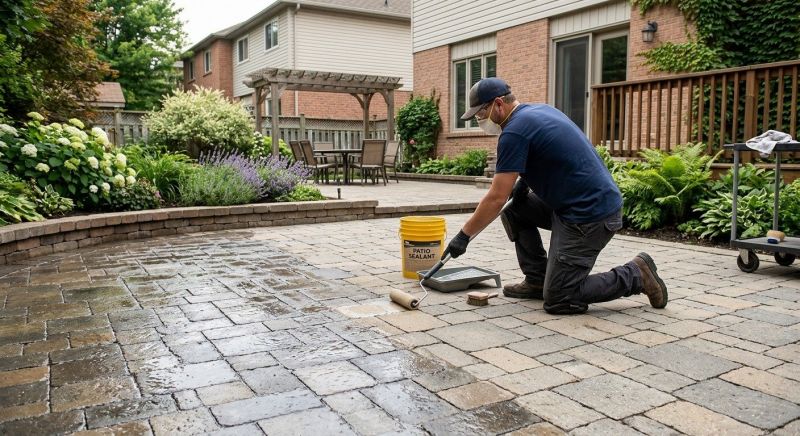
Pool patio sealing services involve applying a protective coating to the surface surrounding a swimming pool to enhance its durability and appearance. This process helps prevent damage caused by water, chemicals, and weather conditions, extending the lifespan of materials such as concrete, pavers, or stone. Projects typically include sealing pool decks, coping, and paved areas to create a water-resistant barrier that reduces staining, surface deterioration, and the need for frequent repairs.
Property owners considering pool patio sealing often want to understand the types of sealants used, the benefits of sealing, and how it can improve safety and aesthetics. It’s important to know whether the surface material is suitable for sealing and if any preparation steps are necessary beforehand. Additionally, homeowners may inquire about the expected maintenance after sealing and how often reapplication might be needed to keep the surface protected and looking its best.
Many property owners in Puyallup, WA look into Pool Patio Sealing for repairs, replacements, upgrades, and appearance-related improvements.
Common Pool Patio Sealing Jobs
Pool Deck Sealing - Sealing helps protect pool decks from water damage and surface deterioration.
Patio Surface Sealing - Applying sealant extends the life of concrete, stone, or paver patios.
Waterproofing Services - Sealing prevents water penetration that can cause cracking and mold growth.
Surface Restoration - Sealing restores the appearance of faded or stained pool surrounds.
Crack and Joint Sealing - Filling cracks and joints helps maintain structural integrity and prevents leaks.
Slip-Resistant Coatings - Sealants with slip-resistant properties improve safety around pool areas.
Pool Patio Sealing Questions
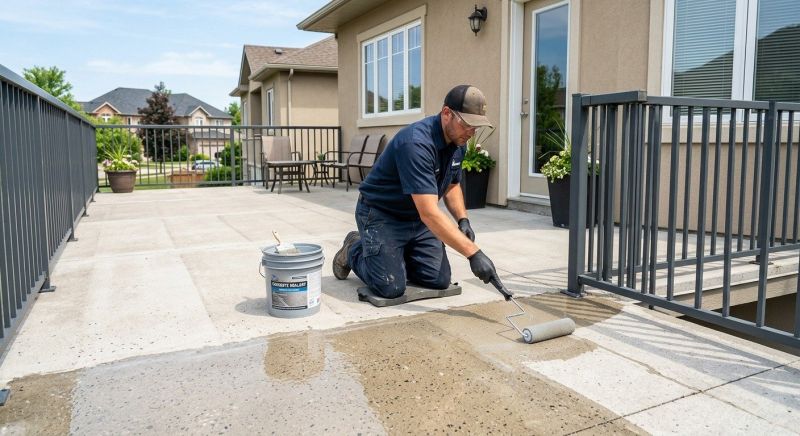
What is pool patio sealing? Pool patio sealing involves applying a protective coating to prevent water damage, staining, and surface deterioration of the patio area around the pool.
Why should property owners consider sealing their pool patio? Sealing helps extend the lifespan of the surface, reduces maintenance needs, and keeps the area looking clean and well-maintained.
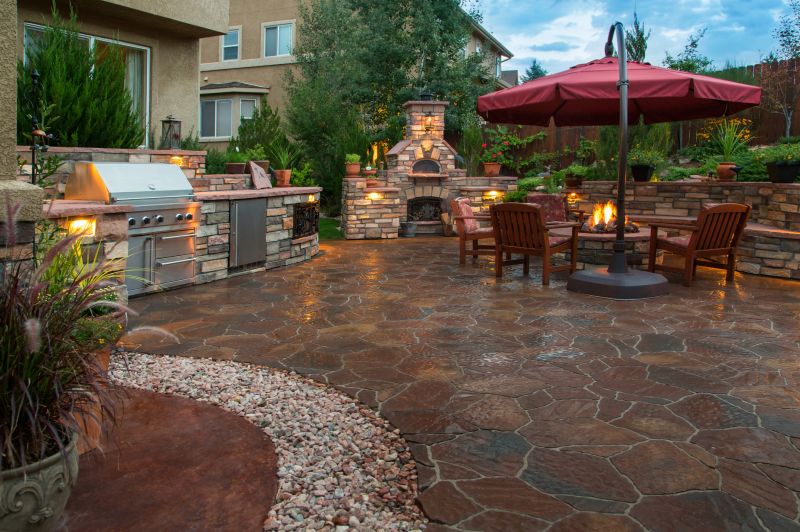
What types of surfaces can be sealed around a pool? Common surfaces include concrete, pavers, stamped concrete, and natural stone, all of which can benefit from sealing.
How often should a pool patio be resealed? Typically, resealing is recommended every 2 to 3 years to maintain protection and appearance.
Request Pool Patio Sealing in Puyallup, WA
Use the quote form on this page to share the basics of your project and request more information for the type of work you need.